
Gas line installation requires specialized expertise and code compliance. Dwyer Services installs gas lines for Brick homes from Herbertsville to waterfront properties along the Metedeconk River. Our certified plumbing technicians install lines for stoves, dryers, water heaters, and outdoor equipment. Proper installation ensures safety while meeting all code requirements.
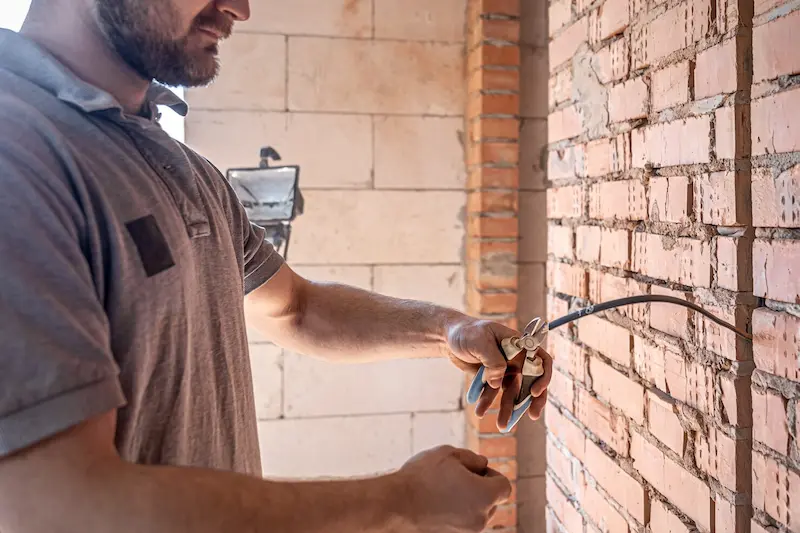
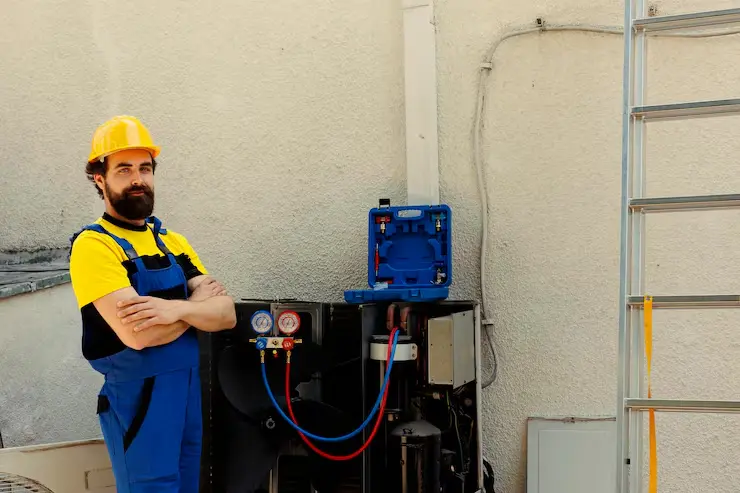
Gas line installation demands strict safety protocols and technical knowledge. Dwyer Services brings licensed professionals to every installation. Our certified technicians follow all code requirements. Your household safety depends on proper gas line installation.
What sets Dwyer Services apart:
| New Appliance Connections | Kitchen Renovations | Outdoor Living Additions | Conversion Projects |
|---|---|---|---|
| Gas range installations require dedicated lines | Kitchen remodels relocate gas appliances | Outdoor kitchens need gas line extensions | Propane to natural gas conversions save money |
| Tankless water heaters need proper gas capacity | Island cooktops need new gas lines | Fire pits require safe gas delivery | Oil-to-gas transitions improve efficiency |
| Gas dryers demand code-compliant connections | Layout changes require pipe rerouting | Patio heaters improve outdoor comfort | Electric to gas provides better performance |
| Fireplace installations require professional hookups | Multiple appliances demand proper sizing | Pool heaters extend swimming seasons | Utility availability makes conversion practical |
| Pool heaters benefit from natural gas | Modern fixtures need code-compliant connections | Outdoor lighting uses gas connections | Cost savings justify installation |
| What Matters Most | Dwyer Services | Other Contractors |
|---|---|---|
| Proper licensing | ● Licensed professionals qualified for gas line installation work. ● Training covers safety protocols. ● State certificationensures code knowledge. |
●Unlicensed workers lack proper qualifications. ● Missing training creates safety risks. ● Code violations endanger households. |
| Code compliance | ● All installations meet current gas codes, protecting households. ● Work passes inspections without issues. ● Documentation proves proper installation. |
● Generic installations ignore code requirements. ● Inspection failures delay project completion. ● Improper work creates hazards. |
| Sizing calculations | ● Professional calculations ensure adequate gas supply. ● Pressure drops get accounted for accurately. ● Future capacityneeds receive consideration. |
● Guesswork sizing causes performance problems. ● Inadequate capacity affects appliance function. ● Oversizing wastes installation budget. |
| Permit handling | ● We obtain the necessary permits for gas work. ● Inspection coordination prevents delays. ● Proper documentation protects homeowners. |
●Permit skipping creates legal problems. ● Missing inspections voids insurance coverage. ● Unpermitted work reduces home value. |
• Proper gas line sizing for ranges
• Adequate gas supply for
water heaters
• Code-compliant dryer connections
• Manufacturer-spec installation performance
• Professional gas line extensions
• Proper in-wall routing
• Secure pipe support
• Consistent system pressure
• Complete gas piping for new builds
• Main line sized for appliances
• Efficient distribution routing
• Utility meter coordination.
• Full pressure testing
• Integrity verified before activation
• Code-compliance inspection
• Completion documentation provided.
With our main office in Freehold and our trucks dispatching throughout the state, we support homeowners from the Jersey Shore to Northern New Jersey. Whether you live here year-round or manage a property from out of town, you can count on us for reliable, responsive service when it matters most.
Professional installation ensures safety and code compliance. Free proposals available.

Only licensed plumbers with the proper gas certifications can legally install gas lines for stoves, since this work requires specialized training and state licensing. When the installation meets code requirements and includes correct line sizing, the appliance receives the gas supply it needs for reliable performance while your household stays protected through safe, professional workmanship.
Before any excavation begins, property surveys and utility location services can identify underground lines, including buried gas piping, while specialized tools such as metal detectors help confirm pipe locations. Natural gas companies also keep records of service installations, but you should always call 811 to have underground utilities marked so you can dig safely and avoid damaging critical lines.
Gas appliance connections often require licensed professionals under local rules, since improper hookups can create serious safety hazards. Because gas leaks can lead to fires or explosions and code violations may affect insurance coverage, professional installation helps protect your home while ensuring the work meets all requirements.