
Winter freezing temperatures cause serious pipe damage. Dwyer Services provides emergency frozen and burst pipe repair for Brick homes from Herbertsville to waterfront properties along the Metedeconk River. Our certified plumbing technicians respond quickly to pipe emergencies. We thaw frozen lines safely so your water can flow freely once again. It’s important to understand that shore properties are more prone to freezing during periods of extreme cold. Professional response, like what we offer at Dwyer Services, prevents extensive water damage.
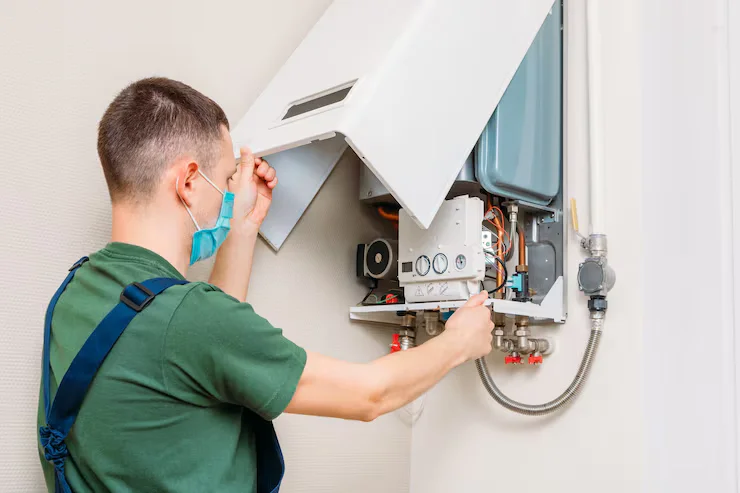
Frozen and burst pipes create urgent situations demanding immediate attention. Dwyer Services prioritizes pipe emergencies. Our certified technicians respond quickly day or night. We carry repair materials. Most repairs are completed during emergency visits, preventing further damage.
What sets Dwyer Services apart:
| Water Flow Problems | Visible Pipe Damage | Temperature Indicators | Water Damage Signs |
|---|---|---|---|
| No water flows from the faucets | Visible frost coating on exposed pipes | Extreme cold affects unheated areas | Water stains appear on ceilings |
| Reduced water pressure indicates partial freezing | Bulging pipes indicate ice expansion | Basement temperatures drop dangerously | Wall discoloration indicates hidden leaks |
| Toilets fail to refill after flushing | Cracked pipe sections show damage | Attic spaces lack insulation | Pooling water floods basement floors |
| Washing machines cannot fill | Wet spots appear on walls or ceilings | Exterior wall cavities freeze | Cabinet interiors show moisture |
| Dishwashers show low water errors | Dripping sounds signal active leaks | Crawl space temperatures plummet | Mold odors suggest hidden water damage |
| What Matters Most | Dwyer Services | Other Contractors |
|---|---|---|
| Emergency availability |
|
|
| Proper thawing methods |
|
|
| Immediate repairs |
|
|
| Insurance documentation |
|
|
We locate frozen pipe sections using professional methods, then thaw them safely so pressure doesn’t build and rupture the line. By warming the pipe gradually, we protect its integrity and restore normal flow, which we confirm through testing to ensure the freeze didn’t cause hidden damage.
When an active leak starts, we respond immediately and shut off the water to prevent flooding. We then replace the damaged section to stop the flow fast, while planning the permanent repair solution to restore long-term reliability.
We guide you through immediate damage control so you can limit the spread of water and protect key areas of the home. We also recommend water extraction and drying steps that reduce mold risk, while helping you document the situation for insurance purposes.
After the emergency, we assess the system to identify vulnerable areas that could freeze again. We then recommend insulation upgrades or heat trace cable installation for exposed pipes, so you can prevent repeat problems with a long-term plan
Same-day installation available. Professional sizing ensures adequate hot water.
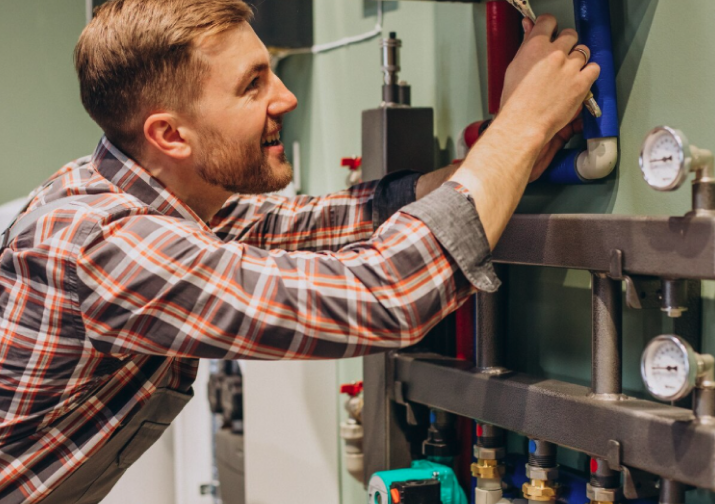
Pipes can start freezing when outdoor temperatures stay below about 20°F for several hours, especially when the lines lack insulation or sit in unheated areas. In many homes, a pipe can freeze solid within roughly 6 to 12 hours, and the real danger comes from expanding ice that builds pressure inside the line until a weak spot fails. Exposed pipes freeze the fastest, while pipes located in warmer, protected spaces usually resist freezing longer.
Simple burst pipe repairs typically take about 2 to 4 hours, while more complex jobs can take longer when the work requires wall or ceiling access. In true emergencies, temporary repairs can often stop flooding within an hour, then permanent repairs follow after we assess the full extent of the damage. If multiple sections burst or fail at once, the repair timeline extends, so a professional inspection provides the most accurate timeframe.
Burst pipes can release a surprising amount of water in a short time, which quickly soaks floors, walls, and personal belongings. As water spreads into hidden cavities and insulation, it increases the risk of structural damage and can trigger mold growth within 48 hours, while also creating potential electrical hazards. Shutting off the water immediately limits the impact, and professional cleanup helps prevent costly secondary problems.